Health and Safety Policy — Business Waste Removal Chelsea
Purpose: This document sets out the health and safety policy for our commercial and business waste services. It applies to all staff, drivers, contractors and subcontractors involved in business waste removal, commercial rubbish collection, and related operations. The policy aims to protect people, property and the environment by identifying hazards, defining controls and ensuring compliance with applicable waste management standards and safe systems of work.Policy statement: We are committed to preventing injury and ill health through robust risk management, staff training and continual improvement. Responsibilities are allocated to ensure that the business waste collection service operates safely and responsibly. Everyone working for the company must take reasonable care for their own safety and for the safety of others affected by their actions.
Scope and definitions
This policy covers all aspects of rubbish removal and commercial waste management activities including waste collection, transfer, segregation, loading and transportation of business refuse. It includes duties relating to hazardous materials, sharps and mixed commercial waste, and applies at client premises, depots and in transit. Key terms used include: business waste removal, commercial waste removal and rubbish clearance.Responsibilities
Senior management is responsible for providing leadership, resources and ensuring regulatory compliance. Supervisors must ensure safe execution of collections and that staff are competent. Employees must follow procedures, attend required training and report hazards or incidents promptly. Contractors working on behalf of the company must adhere to our safety standard and confirm their own risk assessments and insurance cover.Risk assessments and method statements will be prepared for routine and non-routine tasks. A site-specific assessment will be carried out where necessary to identify manual handling hazards, vehicle movements, traffic management and potential exposure to hazardous substances. The business waste removal Chelsea operations will use controls such as mechanical aids, segregated loading zones and clear signage to mitigate risks.
 Safe working practices include using appropriate personal protective equipment (PPE), following lifting techniques, securing loads and implementing vehicle checklists. Supervisors will monitor compliance and carry out spot checks. A documented permit-to-work system will be used for confined spaces, electrical isolation and areas with environmental contamination.
Training and competence
Staff involved in commercial waste removal and rubbish collection must receive training in:- Manual handling and safe lifting
- PPE selection and use
- Hazard recognition, including hazardous waste segregation
- Vehicle operation and secure loading
- Emergency response and spill control
Operational controls require all vehicles and equipment to be maintained to safe working standards. Daily vehicle checks, scheduled servicing and documented defect reporting reduce the likelihood of breakdowns and accidents. Loading areas are to be designed to separate pedestrian and vehicle routes and ensure clear sightlines during rubbish removal operations.
Waste segregation, handling and environmental precautions
Proper segregation of recyclable, non-recyclable and hazardous materials reduces risk and supports sustainable waste management. Staff must follow the classification protocol for chemical wastes, electrical items and contaminated materials. Spill kits and containment measures are to be available when transporting potentially polluting substances. The company will ensure waste carriers' paperwork is completed and retained to demonstrate lawful transfer of waste.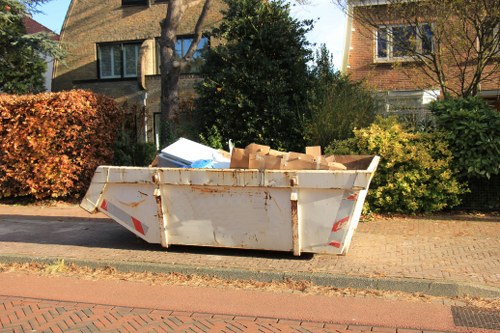 Incident reporting, first aid and emergency response procedures must be in place for all business waste removal activities. Employees will report near misses and incidents immediately. First aid provisions will be maintained and trained personnel available during operational hours. In the event of fire, spills or major incidents, staff shall follow the site emergency plan and notify the appropriate emergency services where required. Detailed records of incidents, investigations and corrective actions will be kept to prevent recurrence.
Monitoring, review and continuous improvement: Performance against health and safety objectives will be monitored through audits, inspections and key performance indicators such as incident rates and training completion. Management will review the policy at least annually or when significant changes occur in operations, legislation or after incidents. Improvements identified through audits or employee suggestions will be implemented where practicable.
Commitment: Our organisation recognises that safe business waste collection and rubbish removal depends on clear systems, competent people and consistent oversight. We will provide sufficient resources to implement this policy and expect all personnel to actively engage in maintaining a safe working environment. The policy is endorsed by senior management and is communicated to staff, contractors and clients as appropriate.
