Business Waste Removal in Chelsea
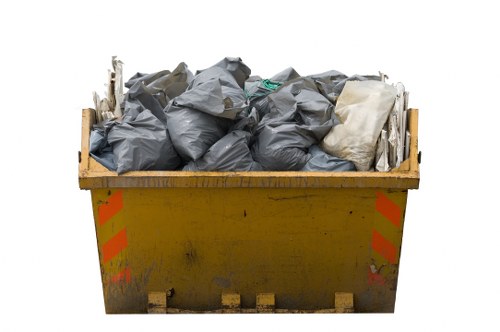
Business waste removal in Chelsea needs to be organised, discreet and suited to busy premises that cannot afford cluttered corridors, blocked storage areas or unreliable collections. We handle the removal of trade and commercial waste from offices, shops, hospitality venues, studios and managed buildings, with practical arrangements that keep the process straightforward. The aim is to help businesses clear unwanted material responsibly, while keeping day-to-day operations moving and the site presentable for staff, customers and visitors.
Our service covers a wide range of commercial waste streams, including general mixed waste, office clearance items, old furniture, shelving, packaging and other non-hazardous materials commonly produced by workplaces. Where items need sorting before removal, we can separate reusable or recyclable material from residual waste so that disposal is handled in a more orderly way. If you need business waste clearance in Chelsea for a one-off job or repeat collections, we can discuss the most suitable approach.
For a clear quotation, it helps to outline the type of waste, the approximate volume and any access points that may affect removal. A short description of what needs clearing is often enough to begin, especially when the job involves a small office, a back room or several bulky items. You can also use this stage to mention whether the work needs to happen outside normal opening hours. Send the details when you are ready.
Commercial Waste Collection for Offices and Workspaces
Office environments often produce waste that is awkward to keep on top of: broken desks, surplus chairs, filing cabinets, archive material, packaging and obsolete equipment. Our business waste removal service is set up to deal with these items in a practical sequence, removing the things that occupy floors, meeting rooms and storage spaces so the premises can be used more effectively. Where access is tight, we plan the route through the building and take care to work around normal workplace movement.
Different workspaces create different waste profiles, so the right approach depends on what is being cleared. Some jobs are mainly about furniture and office fittings, while others involve cardboard, mixed light waste or items left after a refit. We can also assist when a workspace is being reconfigured and a number of items need to be removed at the same time. The focus is on sensible sorting, careful handling and making sure the waste is directed to appropriate disposal or recycling routes.
Useful office waste categories may include:
- desks, chairs and cabinets
- packaging, cardboard and display materials
- archive boxes and general office clutter
- surplus equipment and other bulky items
Furniture, Fixtures and Bulky Item Clearance
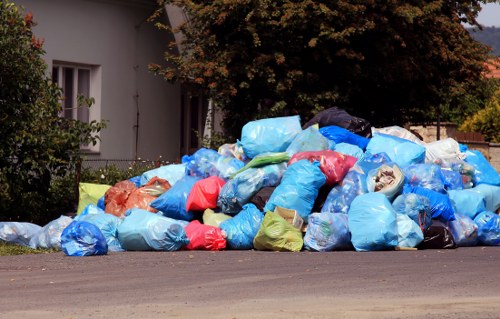
Bulky commercial items often need more than a simple bin collection. Desks, reception seating, storage units, shelving and loose fixtures may need to be dismantled or carried through restricted access areas before they can be removed. Our furniture clearance approach is designed for that kind of work, with attention to the layout of the property and the safest way to move each item. This is especially useful in Chelsea premises where stairwells, narrow corridors or shared entrances require a careful sequence.
Where furniture is still in usable condition, it is sensible to separate it from items that are damaged, unsafe or beyond repair. Not every item will be suitable for the same destination, and a clear sort at the outset helps reduce confusion later in the job. We can remove individual pieces or larger mixed loads, depending on the scale of the clear-out and what is already stored on site. Good planning makes bulky removal more efficient, especially when several rooms are involved.
When arranging furniture removal, it is often useful to note whether any items are particularly heavy, awkward or fixed in position. That information helps when planning labour and access, and it also gives a better basis for the quotation. If you are comparing options, ask for a clear breakdown of what is included so you can judge the service against the items on site rather than against a vague estimate.
Sorting Waste for Recycling and Responsible Disposal
Commercial waste removal is not just about taking items away; it also involves deciding which materials need separate handling. Cardboard, metal, furniture, electronic items and mixed general waste often need to be treated differently so that the right route is chosen for disposal or recovery. Where possible, we work with a sorting process that reduces unnecessary mixing and helps make the overall clearance more orderly.
Some commercial clearances produce materials that are straightforward, while others include items that need more attention before collection. For example, a retail storeroom may hold packaging and shelf material, whereas a back office could contain old printers, broken seating and mixed paper waste. The more varied the contents, the more useful it is to identify the main groups in advance. That way, the clearance can be structured sensibly rather than handled as a single undifferentiated load.
When you request a quotation, it can be helpful to mention whether the waste is already bagged, loose, stacked or spread across several rooms. This is especially relevant where items need carrying from upper floors or through shared access points. A practical description lets us judge how the job is likely to be approached and whether there are any access considerations that should be allowed for.
Clearances for Shops, Hospitality and Managed Premises

Businesses in customer-facing premises usually want waste removed with as little disruption as possible. Shops, cafés, salons, clinics and managed units may all need selective clearing, whether the job is a storage tidy, a fit-out change or the removal of outdated stockroom items. Our business waste removal work can be planned around these operational needs, keeping attention on safe handling, access and the order in which items leave the premises.
In mixed-use or shared buildings, it is often important to think about timing and access rather than simply the waste itself. A clearance may need to avoid the busiest trading hours, use a particular loading route or respect building rules for lifts and entrances. That is why a careful description of the premises is valuable. It allows the removal work to be matched to the site conditions, rather than forcing the premises to adapt around the waste.
If the clearance is part of a refurbishment, closure or handover, it can also be useful to set out which items are staying and which are going. This reduces the risk of misunderstanding and helps the work stay focused on the correct areas. Brief notes are usually enough to start the conversation. After that, the next step is simply to ask for a quotation and agree the best way to proceed.
About Chelsea
Chelsea is a district in the Royal Borough of Kensington and Chelsea, lying on the north bank of the River Thames in west London. Its identity has long been shaped by a combination of riverside geography, historic streets and later urban development. The area includes well-known routes such as King’s Road, which became associated with fashion, retail and cultural change in the twentieth century, alongside quieter residential squares and terraces that reflect earlier periods of growth. Chelsea is also closely linked with the arts, including the Royal Hospital Chelsea, home of the Chelsea Pensioners, and the annual Chelsea Flower Show held in the grounds of the Royal Hospital. The district’s architecture is varied, with Georgian, Victorian and later buildings sitting alongside more modern additions, while the Royal Borough’s planning traditions have helped preserve many streetscapes and garden squares. Chelsea Physic Garden, founded in 1673, is one of London’s oldest botanic gardens and remains a notable landmark by the river. Nearby public spaces and walking routes give the area a strong sense of urban continuity, with the Thames Path and the riverside frontage adding a distinct geographical edge. Museums, galleries and independent shops contribute to a busy cultural life, and the area remains one of central London’s best-known neighbourhoods for its mix of history, commerce and everyday residential character.
Planning a Business Waste Clearance
Good planning makes business waste removal easier to organise, especially when a site holds a mixture of furniture, loose waste and items that must be carried from different rooms. A clear list of what needs removing can be useful, but it does not need to be elaborate. A short inventory, a note about access and any timing preferences usually provide enough information to assess the work sensibly. The same applies whether the job is a simple office clear-out or a more complicated commercial tidy-up.
Two details tend to matter most: the type of waste and the conditions on site. If the items are mainly light office materials, the work is quite different from clearing heavy units, mixed contents or awkwardly placed stock. If the building has stairs, tight corners or shared entrances, that affects how the removal is organised. A useful quotation can only reflect the job properly when those practical points are mentioned clearly. Accurate information usually leads to a better fit for both sides.
If you are preparing for collection, it is sensible to keep walkways clear where possible and identify any items that must remain in place. That avoids delays on the day and helps the team move straight to the correct areas. Once you know what needs to go, you can request a quotation and compare the proposed arrangement against your schedule and access needs.
Mixed Loads, Refit Waste and One-Off Clearances
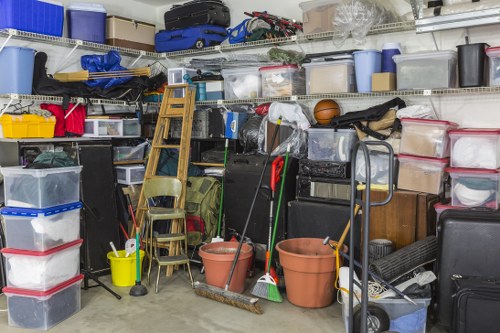
Some commercial jobs do not fit neatly into one category. A single clearance may combine old office furniture, cardboard packaging, display materials, shelving, minor fixtures and general accumulated waste. These mixed loads are common after reconfiguration, stock changes or a period of office rationalisation. Our approach is to handle the collection in a practical order, separating the main groups where needed and removing them without turning the job into a drawn-out process.
Refit waste can be especially varied. There may be items left after builders or decorators finish, or there may be old fittings that are no longer required once new layouts are in place. In those situations, clear communication about what remains onsite is important. It is easier to organise a focused clearance when the waste categories are described plainly rather than broadly. That helps us match the removal method to the actual contents and avoid unnecessary assumptions.
A one-off commercial clearance can be useful when premises change use, a business closes part of a site or a store needs to be reset after a busy period. Whatever the reason, the main objective is to remove the right items in the right way and leave the space ready for its next stage. When you are ready, request a quotation.
Understanding Quotation Factors
Business waste removal quotations are usually shaped by a few practical factors: the volume of waste, the type of items involved, access to the premises and the amount of labour required to move everything safely. A straightforward collection from an easily reached ground-floor area is different from clearing several floors of mixed material. The quotation should reflect that difference rather than treating all jobs as interchangeable.
It also matters whether the waste is neatly gathered or spread through several rooms. Stacked items are generally simpler to assess than loose contents that need sorting before they can be taken away. If any objects are especially heavy, awkward or fixed in place, they should be mentioned early. That way, the work can be planned more accurately and the quotation can account for the real effort involved instead of relying on guesswork.
Another useful consideration is whether the clearance forms part of wider building work or business change. Where there is a deadline for handover, reopening or fit-out completion, the timing of removal may need to sit within a larger schedule. A well-prepared quotation makes it easier to see how the waste clearance fits into the rest of the project and whether the planned approach matches the site conditions.
Making a Booking Request

Once you know what needs to be removed, the booking process is usually simplest when the request is clear and concise. Give the basic facts first: the premises type, the main waste categories, the approximate quantity and any access details that matter. If there are items you are unsure how to classify, mention them rather than leaving them out. It is better to flag uncertainty than to omit something important from the description.
If the job involves several areas, it can help to note them in a sensible order, such as reception, office, store room or upper floor. That makes the clearance easier to picture and supports a more accurate response. You do not need to write a long explanation, but a short note on timing, building access and any items that must be handled separately can make the whole process more efficient. The goal is to turn your request into a usable plan without overcomplicating it.
For business waste removal in Chelsea, the next step is simple: tell us what needs clearing and ask for a quotation. If the waste is ready for collection, mention that too. If you are still deciding what should go, we can still discuss the options and help shape the work around the space. Request a quotation.