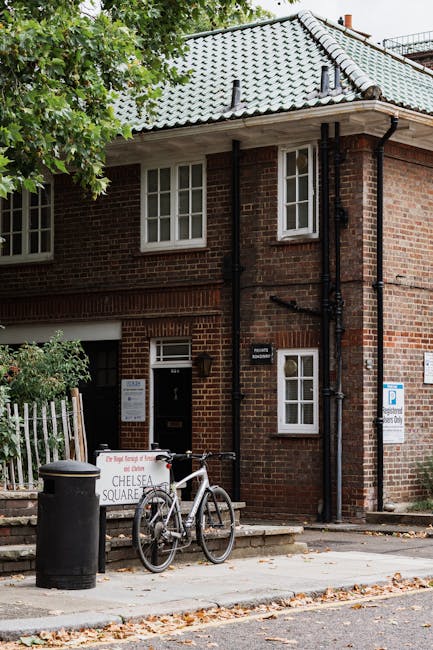
Sloane Square waste removal tips for flat clearances Chelsea
If you are organising a flat clearance around Sloane Square, you already know it is rarely just a matter of lifting a few bags and heading out. Stairs can be narrow, lifts can be tiny or unpredictable, access can be awkward, and a "quick clear-out" can turn into a whole afternoon if you do not plan it properly. These Sloane Square waste removal tips for flat clearances Chelsea are designed to help you clear space with less stress, fewer trips, and a lot less guesswork.
Whether you are dealing with a small studio, a top-floor pied-a-terre, a rented flat that needs to be handed back clean, or a fuller home clearance after a move, the same basic rules apply: sort early, protect the building, move safely, and know what needs specialist handling. A bit of preparation goes a long way. Honestly, it can save you from that familiar moment where the hallway is full, the weather has turned, and one heavy cupboard is blocking everything.
In this guide, you will find practical advice on planning, lifting, sorting, disposal options, compliance, and the small details that make a big difference in Chelsea properties. We will also cover when to use a professional team, what to ask for, and how to keep the process efficient without cutting corners.
Table of Contents
- Why Sloane Square waste removal tips for flat clearances Chelsea Matters
- How Sloane Square waste removal tips for flat clearances Chelsea Works
- Key Benefits and Practical Advantages
- Who This Is For and When It Makes Sense
- Step-by-Step Guidance
- Expert Tips for Better Results
- Common Mistakes to Avoid
- Tools, Resources and Recommendations
- Law, Compliance, Standards, or Best Practice
- Options, Methods, or Comparison Table
- Case Study or Real-World Example
- Practical Checklist
- Conclusion
- Frequently Asked Questions
Why Sloane Square waste removal tips for flat clearances Chelsea Matters
Flat clearances in Sloane Square tend to be different from garden clearances or garage clear-outs. You are often working in shared hallways, managed buildings, period conversions, mansion blocks, or apartments where access matters as much as the waste itself. A careless clearance can damage walls, annoy neighbours, or slow the whole job down.
That is why a practical approach matters. Waste removal in this part of Chelsea often needs a balance of speed, discretion, and planning. If a building has a concierge, a lift booking slot, or limited parking outside, you need to work around those realities rather than against them. The better prepared you are, the smoother the day feels. Simple as that.
There is also the question of what is actually being removed. Flat clearances often include a mix of furniture, bagged household waste, appliances, clothing, paperwork, soft furnishings, and sometimes items that need special handling. It is rarely "just rubbish". Once you see the job that way, it becomes easier to organise properly and avoid a last-minute scramble.
If the clearance is part of a broader move or downsizing project, it can help to look at related services such as home clearance support or even house clearance if the property has become more than a standard flat job. For larger furniture pieces, the dedicated furniture clearance and furniture disposal pages are useful references.
How Sloane Square waste removal tips for flat clearances Chelsea Works
The practical process is usually straightforward, but the order of operations matters. First, you assess the items, then sort what stays and goes, then decide how the waste will be moved and removed. In a flat, every step is shaped by access. Can the lift take the items? Is the stairwell clear? Will the building allow a temporary staging area? These are the details that save time later.
A typical flat clearance begins with a walkthrough. You identify furniture, bagged waste, electricals, reusable items, and anything hazardous or sensitive. If there are bulky pieces, you check whether they need dismantling before removal. That is especially common with wardrobes, bed frames, sofa sections, and older cabinets that have survived a few house moves. They are sturdy. Sometimes a bit too sturdy.
Next comes the loading plan. In a Chelsea flat, especially near Sloane Square, you want to minimise repeated trips through communal areas. Team members usually group items by type and by exit route, so the route stays clear and the job stays tidy. If the waste is mostly mixed household items, a general waste removal approach may work well. If it includes commercial items from a home office or small studio business, then it can make sense to look at business waste removal alongside the flat clearance plan.
Responsible disposal is the final step. Reusable items should be separated where possible, recyclable materials kept out of general waste, and anything hazardous handled carefully. If you are unsure what can go where, the guide on what can go in a skip is a useful benchmark even if you are not actually hiring a skip. It helps you understand the kind of separation that makes disposal cleaner and easier.
Key Benefits and Practical Advantages
There are a few clear reasons to follow a structured waste removal approach in Sloane Square flats. First, it saves time. Sorting first means you are not standing in the hallway asking, "Does this lamp stay or go?" while everyone else waits around. Second, it reduces the risk of damage to floors, walls, lifts, and door frames. In older buildings, that matters a lot.
Third, it makes the job safer. Heavy items, awkward corners, and poor lifting posture are a bad combination. Even a modest clearance can become physically demanding if you do not plan item movement properly. Fourth, it helps with privacy and compliance. Documents, devices, fridge units, chemicals, and other sensitive items should be handled with care, not bundled into the nearest bag.
There is also a cost advantage. A well-organised clearance often takes less time, and less time usually means less labour. If you want to understand how pricing is often structured, the pricing and quotes page is a sensible place to start. It is always better to know what influences the price before the team arrives.
And then there is peace of mind. That may sound a bit soft, but it is real. When the flat is being cleared for a move, probate, letting, refurbishment, or a tidy-up after years of accumulation, the emotional load is often heavier than the physical one. A calm, methodical approach can make the whole thing feel manageable.
Who This Is For and When It Makes Sense
This advice is useful for tenants, landlords, estate agents, homeowners, executors, and managing agents. It also helps anyone who has inherited a flat, is preparing for sale, or needs to clear a property before new tenants arrive. If you are in Chelsea and the flat has tight access, the planning side matters even more than usual.
It makes sense to use these tips when you have mixed waste, bulky furniture, fragile items, or a tight deadline. It also makes sense if you are trying to avoid a skip on a street where space is limited. A lot of flat clearances in central London are easier with a van-based removal team than with a skip, especially when the waste has to come down from upper floors.
There are times when the work becomes more specialised. If you are dealing with a fridge, freezer, washing machine, or similar appliance, a fridge and appliance removal service is the safer option. If the property contains a mattress, sofa, or other large soft furnishing, then mattress and sofa disposal may be the cleaner, simpler route.
For full-property clearances that extend beyond one flat, you may need something broader like flat clearance or, in bigger cases, home clearance. The right choice depends on scale. No point hiring a big solution for a small job, and equally, no point trying to squeeze a bigger job into a small-plan approach.
Step-by-Step Guidance
Here is the simplest way to approach a flat clearance near Sloane Square without making life harder than it needs to be.
- Walk the flat room by room. Make a quick list of what needs to go. Start with obvious items first: broken furniture, spare boxes, old textiles, and anything that is clearly waste rather than storage.
- Separate items into groups. Keep furniture, bagged waste, electrical items, recyclable materials, documents, and special waste apart. This makes the actual removal faster and tidier.
- Measure awkward pieces. Check widths, stair turns, lift sizes, and doorway clearances. A sofa that looks fine in the living room can suddenly become very uncooperative in the hallway.
- Book access where needed. If the building requires lift reservations, concierge notice, or parking planning, sort that out before the clearance day. It sounds obvious, but it is exactly the sort of thing people leave to the last minute.
- Protect the route. Use floor coverings or protective materials if the building is sensitive. In shared buildings, a clean exit route is just good manners.
- Handle special items separately. Fridges, appliances, confidential papers, and anything hazardous should be identified early. Do not mix them in with general waste.
- Load in the right order. Put the largest and heaviest items out first if that improves access, but keep the route clear and avoid blocking doors.
- Do a final sweep. Check cupboards, behind doors, and under beds. The last thing you want is to discover a box of cables after the van has gone. Happens more than people admit.
If the flat also includes storage areas, such as a loft room, cellar cupboard, or basement storage cage, you may need an additional plan. A related loft clearance approach can be helpful where the waste is hidden away in layers rather than sitting in the open.
Expert Tips for Better Results
One of the best tips is to sort before you start moving. It sounds almost too basic, but it changes the entire day. If items are sorted in advance, the clearance team can work in a steady flow instead of stopping every few minutes to decide what belongs where. That rhythm matters.
Another practical point: keep a small "do not remove" zone. A table corner, a chair, or a clearly labelled box for keys, paperwork, and valuables gives everyone a visual reference. It sounds trivial, but in a busy flat it is remarkably useful.
For soft furnishings, consider whether the item is fit for reuse or only disposal. A service like furniture clearance often works best when the team knows in advance what is reusable, what is damaged, and what may need dismantling. Less guessing, fewer delays.
If you are clearing after refurbishment rather than a move-out, it is worth separating waste from building debris. A small mixed load of packaging, offcuts, plasterboard, and damaged fixtures may be better handled through builders waste clearance. It is not the most glamorous part of the job, but it keeps the waste stream cleaner.
And a slightly old-fashioned tip, but a good one: take photos before you start. Not because everything has to be documented like a museum archive, but because it helps if you are managing the work remotely, sharing instructions with a landlord, or checking that every room has been emptied properly.
Common Mistakes to Avoid
The biggest mistake is underestimating the access problem. People often focus on the amount of waste and forget about the route out. In a Sloane Square flat, the route is half the job. Sometimes more.
Another common error is mixing everything together. A bag of general household waste is not the same as a fridge, a stack of papers, and a broken chair. If you mix them up, disposal becomes slower and sometimes costlier. It also makes recycling harder, which is a shame when a better separation would have been easy.
People also forget to check for sensitive items. Documents, hard drives, old post, and personal records often hide in drawers and desk units. If you are clearing a home office or study corner, consider whether confidential shredding is appropriate. Paperwork has a habit of being more private than it first looks.
Bulky items are another trouble spot. A sofa left in one piece can be difficult to move through narrow spaces. Mattresses can snag. Old wardrobes can wobble in transit. If you can dismantle them safely, do it. If not, ask the team to handle that stage. It is better to ask than to force the issue and damage the staircase on the way down.
Finally, do not leave the booking too late if you have a deadline. End of tenancy dates, completion days, and refurbishment handovers move quickly. If you wait until the last minute, you may end up paying more or losing flexibility. Not ideal. Not at all.
Tools, Resources and Recommendations
You do not need a huge toolkit for a flat clearance, but a few basics help. Strong bin bags, labels, tape, a marker pen, gloves, protective covers, and a torch are often enough for most small to medium clearances. If there are awkward corners or dim cupboards, a torch really does make a difference. You would be surprised how many useful things hide in the back of a fitted unit.
If you are comparing disposal methods, it helps to think in terms of item type, access, and timing. A flat with a limited lift may suit a team-based removal service better than a skip. A flat with easy ground-floor access and a large volume of inert waste might suit another method. There is no one-size-fits-all answer.
For sustainability-minded customers, the recycling and sustainability page is a helpful touchpoint. It is worth remembering that a good clearance is not only about emptying a space. It is also about what happens next to the items. Reuse and recycling are often the more thoughtful route where practical.
If you want to arrange a convenient slot, the book online option is usually the easiest way to get things moving. And if you want to understand how the company handles security and payments before committing, the pages on payment and security and insurance and safety are worth a careful read.
Law, Compliance, Standards, or Best Practice
Flat clearances in London should be approached with the usual care around duty of care, safe handling, and responsible disposal. You do not need to turn the job into a legal seminar, but you do need to avoid casual shortcuts. Waste should go to appropriate facilities, hazardous items should be identified properly, and anything potentially dangerous should be separated early.
Best practice also means protecting people and property. That includes safe lifting, keeping routes clear, not overloading bags, and not blocking communal areas longer than necessary. In managed buildings, it is sensible to follow any site rules set by the freeholder, managing agent, or concierge team. Those rules may feel slightly fussy at the time, but they usually exist for a reason.
For specialist waste, use the dedicated service where appropriate. A fridge or freezer needs different handling from a sofa. Chemical products need different treatment from cardboard. If you are unsure, it is better to ask early than make assumptions. That tiny pause can prevent a much bigger problem later.
It is also wise to use a provider that can explain its working practices clearly. Public-facing pages such as health and safety policy, insurance and safety, and terms and conditions help set expectations before the team arrives. Clarity upfront usually means fewer surprises later on. And that is what most people want, really.
Options, Methods, or Comparison Table
If you are trying to choose the best removal method for a Sloane Square flat, it helps to compare the main options side by side.
| Method | Best for | Pros | Possible drawbacks |
|---|---|---|---|
| Van-based waste removal | Mixed flat clearances, bulky furniture, tight access | Flexible, quick, no skip permit headaches | Depends on load planning and building access |
| Skip-based clearance | Larger volumes where access and street space allow | Good for ongoing work, simple disposal stream | Can be awkward in central Chelsea, may need more coordination |
| Room-by-room DIY clearance | Small jobs with plenty of time | Low direct cost, full control | Time-consuming, heavy lifting, disposal complexity |
| Specialist item removal | Appliances, mattresses, sofas, confidential materials | Safer and more appropriate for tricky items | May need separate booking or handling route |
For many Chelsea flats, van-based clearance is the most practical middle ground. It is especially useful where access is tight, parking is limited, and the job includes a few different item types. If the job is mostly old furniture, a service tailored to mattress and sofa disposal can be layered into the plan. If it is more of a full property sort-out, then a broader flat clearance approach usually makes more sense.
Case Study or Real-World Example
A realistic example: imagine a two-bedroom flat near Sloane Square that needs clearing before a tenancy handover. The property has a narrow entrance hall, a small lift, and a few heavy items left behind after a long let - a wardrobe, two sofas, a broken desk, mixed bags of household waste, and several boxes from a home office.
The first sensible move is to sort the office papers from the rest of the load. Some documents can be shredded, while general paper can go with the recyclable stream. Then the large furniture is checked for dismantling. If the wardrobe cannot pass the turn in one piece, it comes apart first. The sofas are assessed for condition, and the broken desk is treated as waste rather than reusable furniture.
On the day, the route through the building is protected, the lift is used in a planned sequence, and bagged waste is loaded after the larger items so the hall stays clear. The job finishes with a room-by-room sweep and a quick check of storage areas. Nothing dramatic. Just a careful, steady job done in the right order.
This is usually the difference between a stressful clear-out and a smooth one. The work is the same on paper, but the experience feels completely different. To be fair, that is often the whole story with flat clearances.
Practical Checklist
Use this checklist before your flat clearance in Sloane Square:
- List every room and storage space that needs clearing
- Separate furniture, bagged waste, electricals, and paperwork
- Check building access, lift size, and stair turns
- Confirm parking or loading arrangements where required
- Identify items that need special handling
- Set aside valuables, keys, and documents
- Measure awkward furniture before moving day
- Protect floors and walls if the building requires it
- Decide whether any items can be reused, donated, or recycled
- Book the clearance early if you have a fixed deadline
- Do a final sweep of cupboards, drawers, and window ledges
Expert summary: the smoothest flat clearances in Chelsea are rarely the fastest ones to start, but they are almost always the best planned. A little sorting, a little access planning, and a clear understanding of what needs special treatment will save time, money, and friction on the day.
Get a free quote today and see how much you can save.
Conclusion
Sloane Square waste removal for flat clearances Chelsea becomes much easier when you treat it like a process rather than a pile of items. Sort first, plan access, separate special waste, and choose the disposal method that suits the building rather than fighting it. That approach is calmer, safer, and usually more efficient too.
If you are clearing a flat in Chelsea for a move, tenancy change, refurbishment, or a long-overdue reset, the best results usually come from simple preparation done well. It does not need to be dramatic. Just methodical. And once the space is clear, you feel it straight away - lighter, quieter, easier to breathe in. That part never really gets old.
Frequently Asked Questions
What is the best way to start a flat clearance in Sloane Square?
Start with a room-by-room sort. Separate furniture, waste, recycling, electricals, and anything sensitive before moving items. It keeps the job organised and makes access easier in narrow Chelsea buildings.
Do I need a specialist service for bulky furniture?
Often, yes. Large wardrobes, sofas, mattresses, and similar items are easier and safer to handle with a service that deals with bulky removal. For those, the relevant furniture and sofa disposal pages are the best match.
Can I mix general waste with old appliances?
It is better not to. Appliances usually need separate handling, especially fridges and freezers. Mixing them with bagged waste can slow disposal and make sorting less efficient.
How do I prepare a flat if the lift is very small?
Measure the lift and the biggest items first. If furniture will not fit safely, plan for dismantling or a route through stairs. A good clearance team will usually want this information early.
Is a skip always the best choice for flat clearances?
No. In central Chelsea, a van-based waste removal approach is often more practical because of access and parking limitations. A skip can work in some cases, but it is not automatically the best option.
What should I do with old paperwork and private documents?
Keep them separate and use confidential shredding where needed. Flat clearances often uncover papers in drawers, cupboards, and under desks, so check carefully before anything leaves the property.
How far in advance should I book a clearance?
As early as possible if you have a deadline. Completion dates, end-of-tenancy moves, and landlord handovers can come around fast. A bit of lead time gives you more flexibility.
Can reusable items be separated during the clearance?
Yes, and that is usually sensible. Separating reusable items helps reduce waste and can make the whole job more efficient. It is also a cleaner way to handle furniture and household goods.
What if the flat has waste in a loft, cupboard, or storage cage?
Those areas should be checked separately because they often contain a different mix of items. A loft clearance-style approach can help if the waste is tucked away rather than sitting in the main rooms.
Are there safety issues with clearing a flat myself?
There can be, especially with heavy lifting, awkward corners, and narrow stairwells. If you are moving bulky furniture or lifting on your own, take care. Sometimes it is wiser to leave the hard parts to professionals.
How do I know whether my items need special disposal?
If an item is electrical, hazardous, liquid-based, or contains chemicals, it may need special handling. When in doubt, separate it and ask before disposing of it with general waste.
What is the most common mistake people make in Chelsea flat clearances?
Underplanning the access route. People often focus on the items and forget the practical realities of narrow hallways, lift restrictions, and shared building rules. That is where delays usually start.
Where can I learn more about service details before booking?
It helps to read the pages on pricing and quotes, recycling and sustainability, health and safety policy, and insurance and safety. They give a better idea of how the service is structured and what to expect.