Chelsea Harbour bulky waste collection guide for residents
If you live in Chelsea Harbour, bulky waste has a habit of showing up at the least convenient moment. A sofa that no longer fits the room. A mattress that's done its time. A fridge that's humming in the corner like it still has opinions. This Chelsea Harbour bulky waste collection guide for residents walks you through the practical side of getting large items removed without stress, confusion, or a last-minute scramble.
Whether you are clearing a flat, refreshing a rental, replacing furniture, or simply trying to reclaim a hallway from a pile of awkward extras, the aim is the same: get the job done safely and sensibly. In our experience, the residents who have the smoothest process are the ones who plan a little, separate items properly, and choose the right disposal route early. Simple enough in theory. In real life? Not always.
This guide covers how bulky waste collection works, what you can and cannot put out, the common mistakes that cost people time, and the best way to make sure large items are handled responsibly. If you want a quick route into the wider service options, you may also find the site's waste removal service and furniture disposal service useful for comparing what fits your situation.
Let's face it: bulky waste is rarely glamorous. But it does matter. A lot.
Why Chelsea Harbour bulky waste collection guide for residents Matters
Chelsea Harbour has a very particular feel: managed buildings, shared access routes, lift schedules, parking considerations, and neighbours who definitely notice when a mattress is left in the wrong place. That makes bulky waste different from ordinary bin day rubbish. Large items can block corridors, inconvenience building staff, and create safety issues if they are left in common areas even briefly.
For residents, a clear bulky waste plan saves more than hassle. It helps avoid damage to communal spaces, reduces the risk of a collection being refused, and makes sure items are dealt with properly rather than ending up abandoned outside the building. That last part is especially important. Bulky waste left unsupervised can become a nuisance fast, and honestly, nobody wants the sight of a worn-out armchair sitting there through a wet London evening.
There is also a sustainability angle. Bulky items often contain reusable components, recyclable metals, textiles, or electrical parts. Choosing a responsible collection route gives those materials a better chance of being recovered rather than wasted. If you are looking at disposal from a broader environmental point of view, the company's recycling and sustainability approach is a sensible place to understand the general direction of travel.
Another reason this matters is timing. In a busy riverside area like Chelsea Harbour, waiting until an item becomes a problem usually means you end up arranging removal under pressure. That's when mistakes happen. You can forget to measure a doorway, miss building access requirements, or assume a sofa can be left somewhere it really shouldn't be left. A bit of planning changes the whole experience.
How Chelsea Harbour bulky waste collection guide for residents Works
At its simplest, bulky waste collection is the removal of large household items that won't fit into standard bins or regular weekly waste services. Think sofas, wardrobes, tables, broken appliances, mattresses, bed frames, shelving, and similar oversized pieces. The exact process depends on the size, weight, and type of item, plus the access conditions at your property.
For Chelsea Harbour residents, the process usually starts with identifying what needs to go and how easy it is to move. Is it a single item, or a full room's worth? Is it in a flat with lift access, or on a higher floor with narrow stairs? Does the item contain electrical parts, refrigerant, sharp edges, or anything fragile that needs special handling? These questions sound basic, but they shape the whole collection.
In practice, there are usually three broad ways bulky waste gets handled:
- Items are set aside for collection from a suitable point, if the building setup allows it.
- Items are removed directly from inside the property by a clearance team.
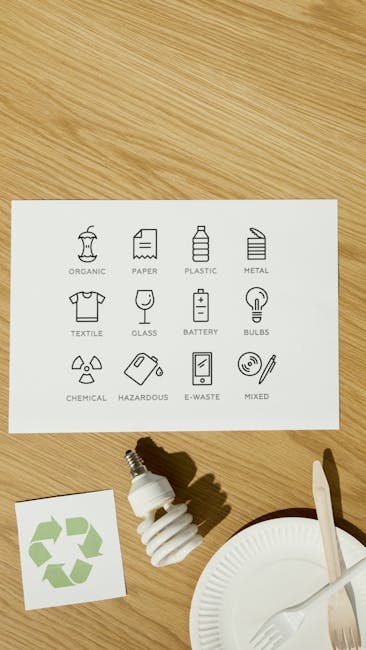
- Items are separated into categories such as furniture, appliances, or mixed household waste for different handling routes.
That last part matters more than people expect. A heavy wardrobe and a fridge are both bulky, but they are not the same job. A mattress is awkward in a very different way. A pile of mixed household items often needs sorting before it can be removed efficiently. If you are dealing with a broader clear-out, the dedicated home clearance service and flat clearance service may be a better fit than treating everything as isolated single-item removal.
Some residents try to simplify things by leaving items in a corridor or by the front door and hoping that will be enough. Sometimes it is, sometimes it isn't. Access rules, building management expectations, and safety considerations can all change the answer. Truth be told, a slightly longer conversation up front is usually worth it.
Key Benefits and Practical Advantages
The obvious benefit of bulky waste collection is that you get your space back. But the real advantages go further than that. Good collection planning improves safety, avoids mess, and makes disposal far less disruptive for everyone involved.
What residents usually gain
- Less clutter: bulky items disappear in one organised move rather than hanging around for weeks.
- Safer walkways: no more squeezing past a broken desk or an old TV box in a shared area.
- Better use of space: especially helpful in Chelsea Harbour flats where every square metre counts.
- Cleaner outcomes: items are handled in a way that supports recycling and appropriate disposal.
- Less stress: no juggling council rules, neighbours, lift timings, and disposal logistics all at once.
There is also a time-saving benefit that people underestimate. Removing a sofa by yourself sounds easy until you try to get it around a hallway corner without scratching the walls. One person pulls, another pushes, and suddenly everybody is laughing nervously because the item is stuck at a weird angle. Been there, seen that. A proper collection route cuts out that drama.
And if the bulky item is part of a larger clear-out, professional help can make the difference between a half-finished job and a genuinely tidy result. For example, when residents are dealing with old beds, wardrobes, and a broken appliance at the same time, a mix of mattress and sofa disposal plus fridge and appliance removal can be more efficient than trying to piece everything together separately.
Who This Is For and When It Makes Sense
This guide is for Chelsea Harbour residents who need a practical way to remove large household items. That might include flat owners, tenants, landlords, letting agents, property managers, and anyone helping a relative downsize. It is especially relevant if you are dealing with a building that has access restrictions or if the items cannot simply be carried out with the weekly rubbish.
It makes sense to organise bulky waste collection when you are:
- replacing furniture after a move or refurbishment
- clearing a flat before or after a tenancy change
- emptying storage areas such as a loft, garage, or utility room
- disposing of broken appliances or damaged household items
- preparing for decorators, contractors, or estate agents
- sorting out a one-off accumulation of unwanted items that has built up over time
If you're doing a bigger project, the job may overlap with other clearances. A renovation might produce timber, packaging, and fixtures, in which case builders waste clearance may be relevant. A home office refresh might involve desks, shredding, and cables, where office clearance and confidential shredding can help keep things orderly.
Sometimes the best moment to act is not when the item becomes unbearable, but just before that point. You know the one. The chair with one broken leg that you keep meaning to fix. The appliance that still opens, but only after a nudge and a prayer. If that sounds familiar, you probably already know the answer.
Step-by-Step Guidance
If you want a smooth Chelsea Harbour bulky waste collection, keep the process simple and methodical. A lot of problems come from rushing the first two steps and hoping the rest sorts itself out. It usually doesn't.
- List every item clearly. Write down what is being removed, including approximate size and condition. A "big chair" is less useful than "three-seater sofa with wooden frame."
- Check access. Measure lifts, corridors, stair turns, and doorways if anything looks tight. That one measurement can save a lot of lifting on the day.
- Separate bulky items from ordinary waste. Loose bin bags, cardboard, and packaging should not be mixed in unless the provider confirms it can be handled that way.
- Identify special items early. Fridges, freezers, and appliances may need separate handling. So may anything classed as hazardous or containing sharp, broken, or contaminated material.
- Choose the right service type. A single item pickup, mixed waste collection, or full clearance all suit different jobs.
- Book a suitable time window. Match the collection to your building access and avoid peak congestion where possible.
- Prepare the route. Clear hallways, unlock gates if needed, and make sure the item can be reached safely.
- Confirm the disposal plan. Make sure you understand what will happen to reusable, recyclable, or specialist waste.
A good rule of thumb: if an item requires a small tactical plan to move through your home, it probably needs a proper removal approach rather than a casual lift-and-drag attempt. That's just the honest answer.
If you want to review what types of items commonly fit into a skip versus a collection, the page on what can go in a skip can be a useful reference point. Not because you need a skip for every bulky item, but because it helps you understand where the boundaries are.
Expert Tips for Better Results
Small improvements make a big difference with bulky waste. Most of the time, the fastest jobs are not the luckiest jobs. They are the best prepared ones.
- Take photos before booking. A quick photo helps avoid guesswork, especially for awkward furniture or damaged items.
- Keep screws, shelves, and loose parts together. Bag them and label them if they belong to the item being removed.
- Unplug appliances in advance. If something needs defrosting, draining, or cooling down, deal with that earlier rather than on collection morning.
- Protect communal areas. In a managed building, a little care with corner guards, floor protection, and tidy stacking goes a long way.
- Think in categories, not just items. Furniture, electricals, soft furnishings, and mixed rubbish often require different handling.
- Use the day before wisely. Put items in order, clear the path, and keep keys or fobs handy so nobody gets stuck waiting at the wrong door.
One thing people rarely mention: the smell. Old appliances, damp mattresses, and long-stored soft furnishings can have a very particular smell once they're shifted. If you've ever opened a cupboard in mid-summer and regretted it instantly, you know the feeling. That's another reason to avoid last-minute sorting.
Also, don't overload yourself with "maybe" items. If you are not sure whether something should go, place it aside and decide before the collection day. Half-decisions turn into time-wasters fast.
Common Mistakes to Avoid
The most common bulky waste mistakes are usually boring ones. But boring mistakes are the ones that cause the most avoidable trouble.
- Leaving items in the wrong place. Corridors, fire exits, and shared entrances are not safe holding zones.
- Assuming everything can be mixed together. A sofa, a fridge, and garden waste do not always belong in the same collection.
- Forgetting building rules. Chelsea Harbour blocks may have access windows, concierge arrangements, or loading restrictions that matter.
- Underestimating size and weight. A wardrobe that looks manageable in a room can become a beast at the bottom of the stairs.
- Not checking special handling needs. Appliances, sharp-edged metal, and contaminated items need extra care.
- Waiting too long. If the item is already blocking a room or walkway, the job becomes harder to do neatly.
Another subtle mistake is trying to make the collection "more efficient" by adding extra items at the last minute. Sometimes that works, but often it creates confusion. If you are adding more to the load, say so early. It's much better than discovering on arrival that the pile has doubled and everyone now needs a new plan.
Tools, Resources and Recommendations
You don't need much to prepare for bulky waste collection, but the right basic tools make the process easier. Nothing fancy. Just practical kit and a clear head.
- Measuring tape: useful for doors, lifts, and tight turns.
- Sturdy gloves: essential if you are moving broken furniture or rough materials.
- Tape and marker pen: good for labelling loose fittings or bundled parts.
- Phone camera: helps with photos of items, access points, and any damage you want to note.
- Old sheets or covers: useful if you need to protect floors or communal areas.
- Checklist: always helpful, even for simple collections. Especially for simple collections, actually. That's when people get complacent.
For residents comparing disposal routes, a few site pages can help frame the decision. If the item is a large sofa or armchair, mattress and sofa disposal is worth a look. If the load includes old desks or filing units from a home office, office clearance may be more suitable. If the project has grown into a whole-property emptying job, house clearance gives a better sense of the wider service scope.
There are also important support pages that speak to trust and service standards. The company's health and safety policy and insurance and safety information are useful for residents who want reassurance about working practices. If payment process matters to you, the payment and security page can help set expectations. Nice to have, not glamorous, but useful.
Law, Compliance and Best Practice
Bulky waste disposal in the UK is not just about getting rid of unwanted items. It also involves proper handling, duty of care, and avoiding fly-tipping or unsafe storage in shared areas. You do not need to become a compliance expert, but a few principles are worth keeping in mind.
First, waste should be handled by a responsible service that knows how to separate reusable, recyclable, and specialist materials. Second, certain items may require extra caution. Fridges, freezers, and some electricals need careful treatment. Broken glass, contaminated materials, and anything potentially hazardous should never be left to guesswork. Third, residents should avoid putting bulky waste into communal areas unless that arrangement is clearly permitted and safe.
Best practice is straightforward:
- keep waste secure until collection
- identify special items early
- do not block fire routes or access points
- use a service that can explain handling and disposal clearly
- ask questions if anything seems uncertain
In a managed environment like Chelsea Harbour, these basics matter even more because shared spaces affect everyone. A neat, documented approach is simply better etiquette. And yes, it also saves arguments. Which is never a bad thing.
If you are unsure about the operational side of a collection, the company's about us page gives a sense of the team behind the service, while complaints procedure is useful as a sign of a business that takes accountability seriously. That sort of transparency matters. It just does.
Options, Methods, or Comparison Table
There is no single correct way to handle bulky waste. The best choice depends on the item, urgency, access, and how much other waste you have. Here's a simple comparison to help you decide.
| Option | Best for | Strengths | Limitations |
|---|---|---|---|
| Single bulky item collection | One sofa, mattress, wardrobe, or appliance | Simple, quick, straightforward | Less efficient for mixed loads |
| Mixed waste removal | A few bulky items plus smaller associated waste | Flexible, good for clear-outs | Needs better sorting up front |
| Flat or home clearance | Multiple rooms, end-of-tenancy jobs, property refreshes | Comprehensive and time-saving | More planning required |
| Specialist item removal | Fridges, appliances, soft furnishings, or sensitive waste | Safer handling and better compliance | May require separate preparation |
For a resident clearing out one old sofa, a single-item route may be ideal. For someone emptying a whole lounge, then a combination of furniture clearance and waste removal is often more practical. If the job is bigger and includes outdoor bits too, a garden clearance service may be relevant as well. Little jobs quickly become mixed jobs. That's normal.
Practical summary: choose the lightest service that fully covers the work, not the smallest service that almost fits. "Almost" is where delays live.
Case Study or Real-World Example
Here's a realistic scenario. A resident in Chelsea Harbour is moving out of a two-bedroom flat and replacing several items at the same time: a sofa, a double mattress, a broken bedside cabinet, and an old fridge. None of the items alone feels dramatic, but together they create a real access and disposal puzzle.
The first instinct might be to leave everything near the door and hope the job can be done quickly. But the smarter route is to check access, separate the fridge from soft furnishings, and identify which items need special handling. The mattress and sofa can be grouped together, while the fridge is treated as a different category. The cabinet is added as part of the mixed load if it can be safely moved.
By the day of collection, the path is clear, lift access is arranged, and the resident has already removed loose bits like old cushions, cables, and the small drawer contents nobody wants to think about until they're on the floor. The whole thing moves faster because the setup was done properly. No drama, no improvising on the staircase, no awkward pause while somebody tries to remember where the keys are.
That's the real lesson. Bulky waste collection is rarely about brute force. It's about preparation, sorting, and using the right disposal route for the right item. A boring answer, maybe. But it works.
Practical Checklist
Use this quick checklist before your bulky waste collection day.
- List every item to be removed.
- Separate bulky items from general rubbish.
- Measure lifts, doorways, and tight corners if needed.
- Check whether any items need special handling.
- Confirm access arrangements with building management if relevant.
- Clear the route from the item to the exit point.
- Keep loose parts, screws, and fittings together.
- Defrost or unplug appliances in advance if needed.
- Protect floors or walls if the route is tight.
- Double-check the time window and collection details.
If you want to arrange a collection when the timing suits you best, you can use the site's book online page for a straightforward next step.
Conclusion
Bulky waste collection in Chelsea Harbour does not need to be complicated, but it does reward a careful approach. Know what you are removing, understand the access, separate special items early, and choose the right clearance route for the job. That combination saves time, reduces hassle, and makes the whole process feel much calmer than it first appears.
If you are clearing one item or several, the key is to avoid improvising on the day. A little preparation goes a long way, and in a neighbourhood where shared spaces matter, being organised is simply good manners as well as good practice. Not a bad deal, really.
Get a free quote today and see how much you can save.
And if you're still weighing up the options, start with the job in front of you, not the whole mountain. Most bulky waste is easier to deal with once you break it into sensible pieces. That's usually the moment it all starts to feel manageable again.
Frequently Asked Questions
What counts as bulky waste in Chelsea Harbour?
Bulky waste usually means large household items that won't fit into normal bins, such as sofas, wardrobes, mattresses, tables, appliances, and similar oversized pieces.
Can I leave bulky waste in a communal area?
Only if the building rules clearly allow it and the item can be kept safely out of walkways, fire routes, and shared access points. If in doubt, do not leave it there.
Do I need to separate furniture from electrical items?
Yes, that is usually the sensible approach. Furniture, appliances, and mixed household waste often need different handling, so separating them helps the collection run smoothly.
What happens if my item is too large for the lift?
If an item will not fit safely through the lift or stairwell, it may need to be dismantled, taken out in sections, or handled through a different access plan. Measuring first avoids surprises.
Can old fridges and freezers go with bulky waste?
They can often be collected, but they usually need special handling because of their components and treatment requirements. It is better to flag them early.
Is same-day bulky waste collection possible?
Sometimes, depending on availability and the nature of the job. But if access is tricky or the load is mixed, booking ahead is usually the safer option.
How should I prepare a sofa for collection?
Clear it of cushions, blankets, and loose items, then make sure the route out of the property is unobstructed. If it is very large, check whether it needs to be rotated or partially dismantled.
What if I have a mix of bulky waste and regular rubbish?
That is common. The best approach is to separate what can be handled together and identify anything that needs a different disposal route before collection day.
Are mattresses and sofas handled differently from other furniture?
Often, yes. Soft furnishings can need specific handling because of their material makeup and disposal route, so it is worth treating them as their own category.
What should I do with hazardous items?
Do not add them to a standard bulky waste pile. Hazardous materials need proper identification and specialist handling, so they should be dealt with separately.
How do I know whether flat clearance is better than bulky waste collection?
If you are removing multiple large items from several rooms, flat clearance is often the more practical choice. If it is just one or two items, a smaller collection may be enough.
Why does careful planning matter so much for bulky waste in Chelsea Harbour?
Because shared access, building rules, and limited space can quickly turn a simple job into a messy one if you don't plan ahead. A bit of organisation keeps everything easier for you and for the people around you.