Fulham Road estate rubbish collection rules and advice
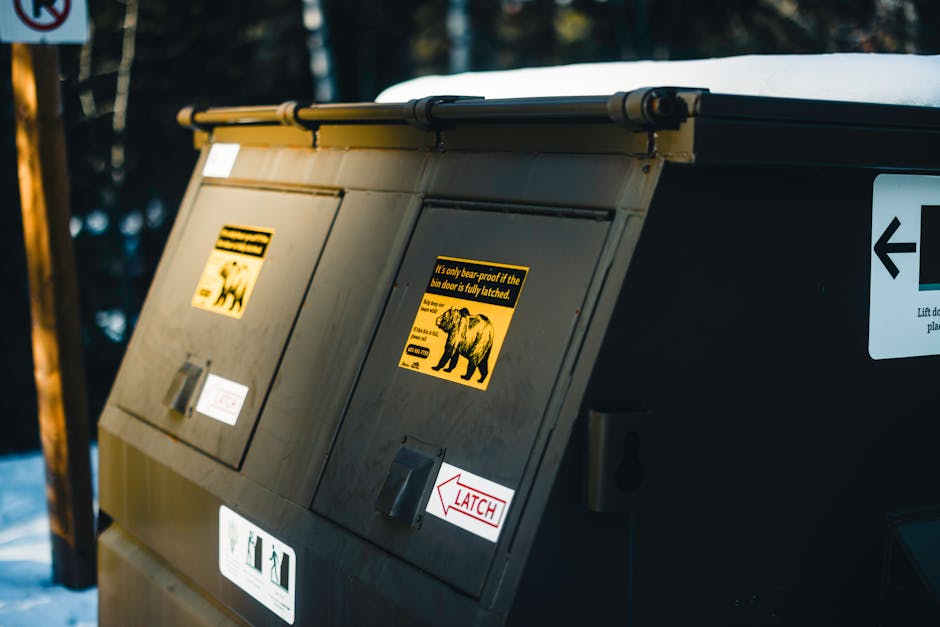
If you live, manage, or work on an estate near Fulham Road, rubbish collection can feel simple until it suddenly isn't. One bin overfilled, one sofa left in the wrong place, or one bag put out too early can create a mess for everyone. This guide on Fulham Road estate rubbish collection rules and advice breaks down what usually matters day to day: what can go out, what should stay in, how to avoid complaints, and how to handle bulk or awkward waste without creating extra problems.
The aim is straightforward. You want waste gone, the estate to stay tidy, and no one dealing with unnecessary stress, smells, or avoidable penalties. Let's face it, rubbish only becomes invisible when it's managed well.
- Why the rules matter
- How estate rubbish collection works
- Key benefits and practical advantages
- Who this is for and when it makes sense
- Step-by-step guidance
- Expert tips for better results
- Common mistakes to avoid
- Tools, resources and recommendations
- Law, compliance, standards and best practice
- Options, methods and comparison
- Case study or real-world example
- Practical checklist
- Conclusion
- Frequently asked questions
Why Fulham Road estate rubbish collection rules and advice Matters
Estate waste isn't just about clearing what's in front of your door. On a busy stretch like Fulham Road, shared access, limited storage space, and regular foot traffic mean small mistakes can snowball quickly. A bag left beside a bin store can attract gulls, create odours, and make the whole area look neglected. A broken chair left out "just for a minute" can sit there for days if nobody takes ownership. You know how it goes.
Good rules are useful because they give everyone the same expectations. Residents know where items go. Building managers know what they need to monitor. Contractors know what should be collected, sorted, or separated. The result is less confusion and fewer repeat issues.
There is also a practical value that gets overlooked: clear rubbish handling protects access routes, reduces fire risk, and helps keep communal areas usable. On estates, those shared spaces matter more than people realise. One blocked path can be annoying; two blocked paths become a real problem.
Expert summary: The best estate rubbish system is not the fanciest one. It is the one residents can follow easily, that keeps shared areas clear, and that handles bulk or unusual waste before it turns into a nuisance.
How Fulham Road estate rubbish collection rules and advice Works
Most estates follow a simple pattern, even if the exact arrangements differ from block to block. General household rubbish goes into the designated bins or communal store. Recycling goes into the correct containers. Bulky items, builders' waste, or specialist waste usually need separate handling. That sounds obvious, but in real life the trouble is usually in the details.
For example, a resident might be told that cardboard should be flattened, or that black bags should never be left outside the store room. Another estate may have timed collection windows only, so items placed too early can obstruct cleaners or attract flies. If you are dealing with a managed building, the estate rules may also cover booking procedures, access codes, lift protection, and where contractors can park briefly for loading.
For larger clearances, it helps to separate the conversation into categories:
- Daily household waste: food packaging, non-recyclable rubbish, general refuse.
- Recycling: paper, cardboard, cans, bottles, and other accepted recyclable materials.
- Bulky household items: furniture, mattresses, appliances, and large boxes.
- Trade or renovation waste: plasterboard, tiles, timber offcuts, old fixtures, and packaging from works.
- Special waste: fridges, chemicals, sharps, batteries, or anything potentially hazardous.
If you need a broader service for mixed waste, waste removal can be a sensible route for estates, landlords, and residents who need a single collection rather than several separate trips.
And if the issue is tied to tenancy turnover, an emptying of a flat, or a post-renovation clear-out, services such as flat clearance, house clearance, or home clearance can be much easier than trying to fit everything into standard bins. Slightly boring to plan, yes. Very useful when the pile is already at the front door, also yes.
Key Benefits and Practical Advantages
Following estate rubbish rules properly saves time, but the real benefit is how much friction it removes. On a good day, nobody notices waste management. That is the goal.
Here are the advantages that matter most in day-to-day life:
- Cleaner shared spaces: less spillover around bin stores, entrances, and walkways.
- Fewer resident complaints: clearer rules mean fewer arguments over who left what where.
- Better hygiene: controlled food waste and packaging reduce odours and pests.
- Safer access: clear routes help cleaners, residents, and emergency access.
- More efficient collections: when waste is sorted well, collection runs smoother.
- Lower risk of rejected loads: separated waste is easier to deal with responsibly.
There is also a reputational benefit, which estate teams sometimes underestimate. A clean bin store and tidy frontage make an estate feel cared for. People notice that, even if they never say it out loud.
For residents with recurring bulky waste, using a scheduled collection rather than leaving items out "until someone takes them" can make life noticeably easier. It reduces the chance of items sitting in corridors overnight, which is one of those small things that creates big irritation.
Who This Is For and When It Makes Sense
This topic is relevant to more people than you might think. It is not only for building managers. The practical rules apply to residents too, especially where estates have shared bin stores, concierge arrangements, or compact access points.
You may need this guidance if you are:
- a resident on a managed estate near Fulham Road
- a landlord preparing a flat for re-let
- a property manager coordinating communal waste
- a contractor clearing renovation debris
- a tenant moving out with more waste than the normal bins can handle
- someone dealing with furniture, appliances, or loft clutter that will not fit in standard collection systems
It makes sense whenever the waste is too bulky, too mixed, too urgent, or too awkward for regular bin collection. A few cardboard boxes are easy. A dismantled wardrobe, broken shelf units, and old bedding all at once? That is a different story.
If you are clearing a workspace as well as a residence, the same logic applies. Office clearance is often the right fit where desks, filing cabinets, packaging, or obsolete equipment need removing without disturbing neighbours or shared access.
Step-by-Step Guidance
Here is the simplest way to deal with estate rubbish properly without overthinking it.
- Check the estate rules first. Look for bin store instructions, collection times, access rules, and any restrictions on bulky items.
- Separate waste by type. Keep general waste, recycling, and specialist items apart from the start.
- Break down anything bulky. Flatten cardboard, dismantle furniture where safe, and remove loose parts so the item is easier to move and sort.
- Keep access routes clear. Do not leave items in corridors, stairwells, lift lobbies, or fire exits, even for a short while.
- Set aside hazardous or awkward items. Fridges, paint, chemicals, sharps, batteries, and similar items need extra care.
- Arrange the right collection method. Standard bins are fine for normal waste, but a dedicated clearance is better for mixed or bulky loads.
- Confirm timing and access. Make sure the collection can happen when the estate is accessible and residents are least disrupted.
- Inspect the area after collection. A quick check for splinters, broken glass, loose screws, or packaging scraps saves trouble later.
One practical tip: do not wait until the bin store is already overflowing. That is when everything becomes messy and strangely expensive in time, if not money. If a clearance is obviously due, book it before the estate starts looking untidy.
For refurbishment or strip-out waste, builders waste clearance is often more appropriate than ordinary rubbish collection, especially where rubble, timber, tiles, and packaging are mixed together.
Expert Tips for Better Results
After enough clearances, you start to spot the same patterns again and again. The estates that stay tidy usually do a few simple things consistently.
- Label the bin area clearly. Clear instructions reduce mis-sorting far more than stern notices do.
- Keep a small "bulky waste" plan. Know in advance how mattresses, sofas, and broken appliances will be handled.
- Use one contact point. It is much easier when residents know who to speak to.
- Schedule clearances before peak move-out periods. End of tenancy weeks can get chaotic fast.
- Protect communal surfaces. Door frames, stair edges, and lift interiors take a beating when large items move through. A few blankets or covers help a lot.
- Photograph problem waste if needed. This can help with resident communication and handover notes.
For soft furnishings, it pays to use a dedicated route rather than treating everything as generic rubbish. Mattress and sofa disposal is useful because these items are awkward, bulky, and often not welcome in communal bin areas.
If a fridge or other appliance is involved, use the right process from the start. Fridge and appliance removal is particularly helpful where weight, wiring, or refrigerant-related handling becomes part of the job. Not glamorous, but practical. Very practical.
Another small thing: if you are coordinating work on the top floor or in a block with narrow stairs, allow more time than you think. People often underestimate how long one awkward item takes to move. Then everyone is in a rush. Then someone sighs loudly in the hallway. Best avoided.
Common Mistakes to Avoid
Most rubbish issues on estates are preventable. The same few mistakes keep causing noise, clutter, and awkward conversations with neighbours.
- Leaving waste beside bins: once one bag is left out, others often follow.
- Mixing recycling with general waste: it undermines the whole collection system.
- Ignoring bulky waste rules: a sofa or wardrobe is not the same as household refuse.
- Putting items out too early: this creates obstruction and can look untidy for hours or days.
- Forgetting about hazardous items: batteries, solvents, and certain electrical items need careful handling.
- Overfilling bins: lids that will not close can attract pests and cause spillover.
- Assuming someone else will sort it out: on estates, that usually means nobody does.
A common one is old furniture left at the wrong time because someone is moving in a hurry. You can almost hear the logic: "It will be fine for one night." Usually it is not fine. It becomes a problem for the cleaner, the porter, and the person who has to explain it later.
If you are dealing with mixed domestic contents after a move or bereavement, a more comprehensive house clearance or furniture clearance can prevent these mistakes from happening in the first place.
Tools, Resources and Recommendations
You do not need a huge toolkit to manage estate waste well. A few simple items and a clear process are enough for most situations.
- Bin labels and signs: useful for recycling, general waste, and bulky item instructions.
- Moving straps or a trolley: handy for furniture, appliances, or heavier bags.
- Protective gloves: sensible when handling broken packaging, splinters, or sharp edges.
- Heavy-duty bags and ties: prevent tearing and spillage while moving waste to the collection point.
- Checklists for move-outs: especially useful for landlords, agents, and concierge teams.
For residents and managers who want to understand what can go into a skip-style load, what can go in a skip is a helpful reference point for planning the sort of materials that are suitable, and what should be separated instead.
If the waste is from a garage, shed, or storage room, garage clearance can be a better fit than trying to piece the job together bit by bit. The same goes for lofts, where hidden clutter has a habit of becoming heavier than it looked from the hatch. Funny how that happens, isn't it?
For garden-related waste, a separate approach is often cleaner and simpler. Garden clearance can help when the problem is branches, cuttings, soil bags, planters, or old outdoor furniture rather than household rubbish.
Law, Compliance, Standards, or Best Practice
When rubbish collection touches shared estates, there are a few compliance points worth keeping in mind. The exact estate rules will depend on the building, landlord, managing agent, and local arrangements, so it is best not to guess.
In general UK practice, waste should be stored safely, kept separated where required, and handed to an appropriate licensed carrier when it is being removed off site. Duty of care matters. So does simple common sense. If waste is handed over carelessly, problems can follow quickly, including contamination, complaints, or fly-tipping concerns.
For estate teams, the best practice approach usually includes:
- clear resident instructions
- safe access for collections
- separation of general, recyclable, and specialist waste
- recorded collection arrangements where needed
- extra care for electrical items, confidential waste, and anything potentially hazardous
Where confidential paperwork is involved, use a dedicated route rather than mixing it with general rubbish. Confidential shredding is the sensible option for records, documents, and paperwork that should not end up in communal waste streams.
Hazardous items need particular caution. Paints, chemicals, contaminated materials, certain batteries, and similar waste should not be left in general bin stores. If you are unsure, treat it as specialist waste until it is clearly identified otherwise. That little bit of caution can save a lot of trouble.
For more information on responsible handling, the site's recycling and sustainability approach is useful for thinking about what should be diverted, reused, or disposed of more carefully.
Options, Methods, or Comparison Table
Different waste issues call for different methods. Here is a simple comparison to help you choose the most sensible route.
| Method | Best for | Pros | Watch-outs |
|---|---|---|---|
| Standard communal bins | Daily household waste and normal recycling | Simple, familiar, low effort | Not suitable for bulky or specialist waste |
| Timed estate collection | Shared bin stores and regular managed pickups | Keeps the estate organised | Needs clear resident cooperation |
| Dedicated waste removal | Mixed rubbish, bulky items, or fast clear-outs | Flexible and efficient | Must be booked correctly and sorted sensibly |
| Specialist disposal | Appliances, hazardous items, mattresses, confidential waste | Safer and more compliant | Needs the right category from the outset |
In many estate situations, a mixed approach works best. General waste stays in the bins. Large items are booked separately. Appliance waste is handled as appliance waste. Not complicated, just orderly.
For people weighing up costs and service scope, pricing and quotes is the right place to think about the commercial side, while payment and security matters if the collection is being arranged on behalf of a household, landlord, or management company.
Case Study or Real-World Example
Imagine a small estate near Fulham Road where residents share one bin store tucked behind a service gate. A tenant moves out on a Friday evening and leaves a dismantled wardrobe, a mattress, several bin bags, and a microwave in the corridor because they plan to "deal with it in the morning." By Saturday lunchtime, the corridor is cramped, the mattress is in the way, and the smell from one food bag is starting to spread. Nothing dramatic. Just messy enough to annoy everyone.
The estate manager steps in and splits the issue into parts. General rubbish is cleared from the corridor immediately. The mattress and old furniture are booked for separate removal. The microwave is treated as an appliance item. The corridor is checked again after the collection, and access is restored. Within a day, the whole thing feels manageable again.
The lesson is simple: the faster you separate the waste into the right categories, the easier the problem becomes. You do not need perfection. You need a workable system that stops one person's move-out from becoming everyone else's problem.
That sort of approach also works well for ongoing estate tidy-ups and larger property resets, especially where loft clearance or home clearance is needed after years of items building up quietly in the background.
Practical Checklist
Use this checklist before any estate rubbish collection or bulky waste pickup.
- Check the estate's waste rules and collection timings.
- Separate general waste, recycling, bulky items, and specialist items.
- Flatten cardboard and break down safe-to-dismantle items.
- Keep hallways, exits, and shared walkways clear.
- Remove anything hazardous or sensitive from the general waste stream.
- Confirm access arrangements, keys, codes, and parking if needed.
- Use the right service for furniture, appliances, or renovation waste.
- Inspect the area after collection for leftover debris.
- Update residents or staff if the collection affects normal routines.
- Keep a note of recurring issues so the same problem does not repeat next week.
If the job has grown beyond what normal bin collection can handle, a broader service such as waste removal can be the calmest and cleanest way to get things back under control.
Conclusion
Good estate rubbish handling is not really about rubbish. It is about shared space, neighbourly patience, and making everyday life run more smoothly. On and around Fulham Road, where buildings are busy and access can be tight, clear rules and sensible habits make a genuine difference. Keep waste separated, avoid blocking communal areas, and use the right collection route when something is too bulky or too awkward for the standard bins.
That approach saves time, reduces complaints, and keeps the estate looking looked after rather than constantly half-finished. And honestly, that is what most people want: less mess, fewer surprises, and a cleaner way to get on with the day.
If you need help with a one-off clear-out, recurring waste problem, or a more complex estate collection, the smartest next step is to get the details right before the waste piles up. Small plan, big relief.
Get a free quote today and see how much you can save.
Frequently Asked Questions
What counts as estate rubbish on Fulham Road?
Estate rubbish usually means the everyday waste generated by residents in shared buildings, including bagged household rubbish, packaging, recycling, and sometimes bulky items that do not fit in normal bins.
Can I leave rubbish beside the bin store if the bins are full?
Usually no. Leaving waste beside bins can block access, attract pests, and create complaints. If the bins are full regularly, the collection system needs review rather than more overflow bags.
What should I do with a sofa, mattress, or wardrobe?
Those items should normally be handled separately from standard bin waste. Dedicated furniture or mattress disposal is the safer, tidier option, especially on a shared estate.
Are fridges and other appliances treated as normal rubbish?
No. Appliances often need special handling because they are heavy, awkward, and may contain components that should not go into general waste. Fridge and appliance removal is the better route.
How far in advance should bulky waste be arranged?
As early as you can, especially if access is tight or the estate has set collection windows. A little planning avoids items lingering in corridors or by entrances.
What is the biggest mistake people make with estate rubbish?
Assuming someone else will sort it out. On a shared estate, that usually means rubbish sits around longer, becomes messier, and causes more problems for everyone.
Do I need a special service for renovation waste?
Usually yes. Builders' rubble, broken tiles, timber, and mixed refurbishment debris are better suited to builders waste clearance than ordinary domestic bin use.
Can confidential papers go in the normal recycling bin?
They should not, unless your estate specifically has a secure paper process. Confidential shredding is the safer choice for documents that should not be exposed.
What if I live in a flat and have no space to store rubbish?
That is common in London. In that case, use the estate's bin facilities carefully, keep waste bagged and compact, and arrange a flat clearance or waste removal service when the volume becomes unmanageable.
Is garden waste handled differently from household rubbish?
Often yes. Garden clippings, branches, soil, and outdoor debris are usually easier to manage through garden clearance rather than general communal bins.
How do I know whether a collection is compliant?
Check that the waste is separated sensibly, the estate rules are followed, and the items are handed to the right type of collection service. If anything seems hazardous or unusual, treat it cautiously and keep it out of general rubbish until confirmed.
What is the best way to keep an estate tidy long term?
Clear rules, regular monitoring, good resident communication, and a plan for bulky or awkward waste. Simple, consistent habits usually work better than complicated policies nobody remembers.